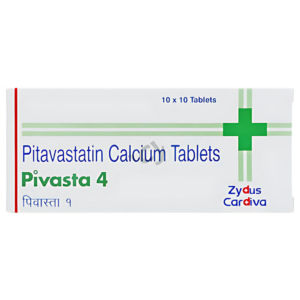
PITAVASTATIN contains Pitavastatin used to lower bad cholesterol and triglyceride levels. PITAVASTATIN inhibits the HMG-CoA reductase enzyme in the body that is essential to make cholesterol. Thereby, it decreases the production of LDL (bad cholesterol) by the liver. Also, PITAVASTATIN reduces the risk of stroke or heart attack by reducing the excess cholesterol deposition in the major blood vessels of…
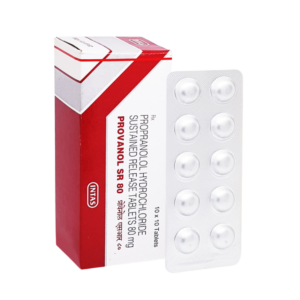
PROPRANOLOL works by blocking both beta receptors, namely beta 1 and beta 2. PROPRANOLOL blocks beta 1 receptor located in the heart's cells, lowering heart rate and decreasing heart blood pumping frequency, decreasing raised blood pressure. On the other hand, PROPRANOLOL also blocks beta 2 receptors located in the lungs (bronchioles) and blood vessels of skeletal muscle, narrowing it. This,…
QUINAPRIL contains Quinapril, which belongs to the Angiotensin-converting enzyme (ACE) inhibitors class. It works by reducing the production of certain substances that cause an increase in blood pressure. It allows the blood to flow more smoothly and makes the heart more efficient at pumping blood throughout the body. QUINAPRIL helps reduce high BP and the risk of heart attack, stroke…
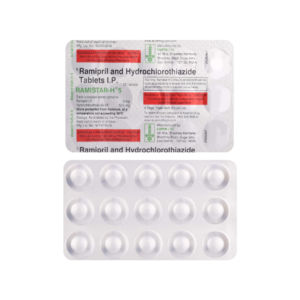
HYDROCHLOROTHIAZIDE+RAMIPRIL contains Ramipril and hydrochlorothiazide. Ramipril is an angiotensin-converting enzyme (ACE) inhibitor that lowers increased blood pressure by blocking a naturally occurring substance known as angiotensin II (that tightens your blood vessels). It allows these constricted blood vessels to relax and therefore helps lower high blood pressure. On the other hand, Hydrochlorothiazide (diuretic) works by increasing the amount of urine…
SACUBITRIL+VALSARTAN is a combination of two medicines Valsartan and sacubitril. Valsartan belongs to the class of drugs called angiotensin receptor blockers (ARBs) that block the effect of angiotensin II receptors that tighten the blood vessels. By blocking the effect of angiotensin II receptors, Valsartan makes it easier for the heart to pump blood to all body parts by relaxing and…
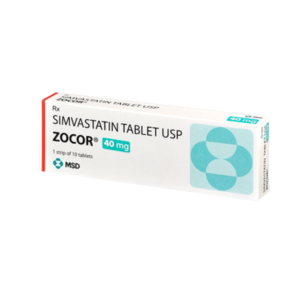
SIMVASTATIN contains 'Simvastatin', which belongs to a group of lipid-lowering agents called HMG-CoA reductase inhibitors to lower the increased levels of cholesterol or fat. SIMVASTATIN works by blocking the HMG-CoA reductase enzyme, which is necessary for cholesterol production in the body.
TERAZOSIN is primarily used to treat hypertension (high blood pressure) and lower future heart attack and stroke risk. It is also used to treat mild prostate gland enlargement in men (known as Benign Prostate Hyperplasia) and treating heart failure. It contains Terazosin that widens and relaxes the blood vessels, reduces the heart's workload, and makes the heart more efficient at…
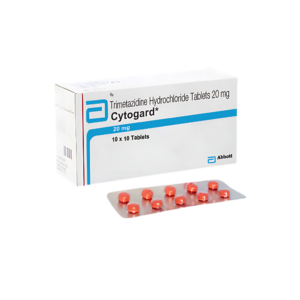
TRIMETAZIDINE contains Trimetazidine, which is a 'metabolic agent'. It affects metabolism (the process by which substances are broken down in the body). TRIMETAZIDINE decreases the body's oxygen requirement by shifting metabolism from fats to glucose, increasing the rate at which glucose is broken down. Hence, the heart works efficiently and requires less oxygen.