
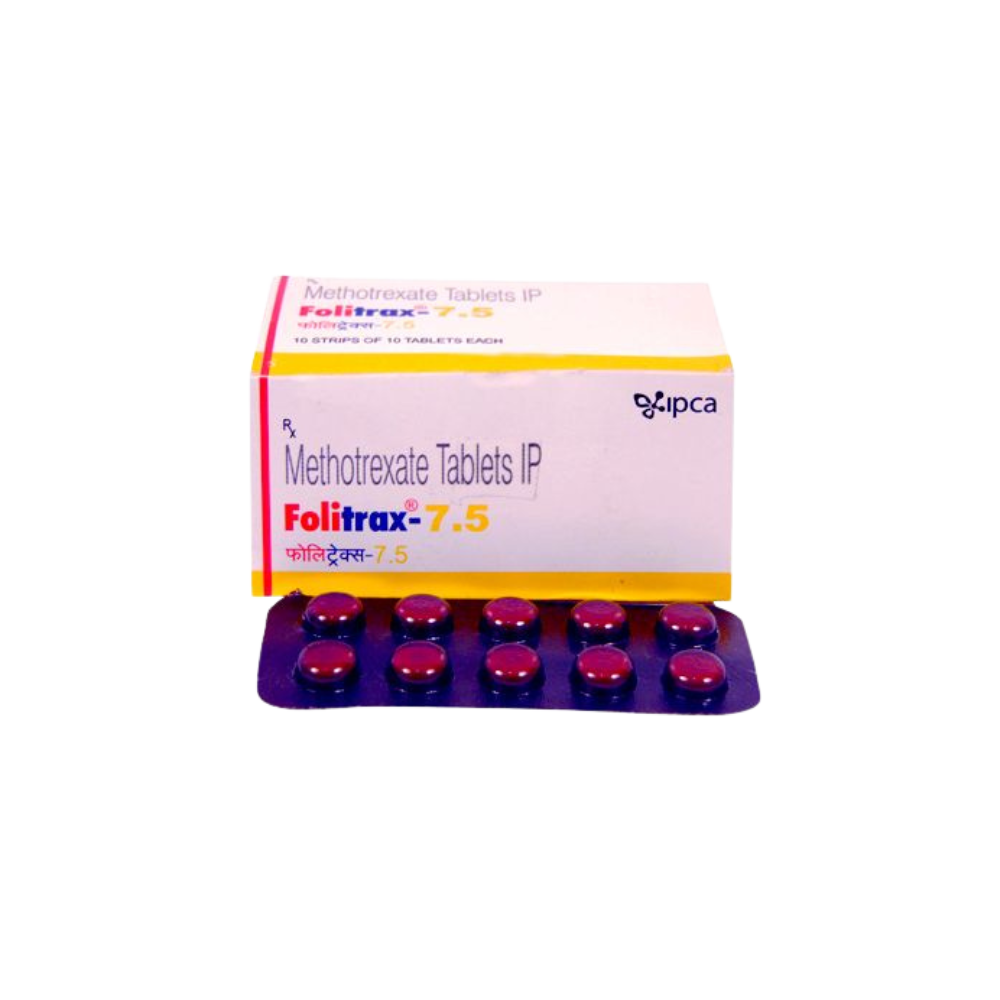
Methotrexate 7.5 mg Tablets
Methotrexate is a medication primarily used to treat various conditions, including certain types of cancer and autoimmune diseases. As a type of antimetabolite, it interferes with the growth of cells, particularly those that reproduce quickly, like cancer cells. Methotrexate is commonly prescribed for conditions such as rheumatoid arthritis, psoriasis, and certain cancers, including leukemia and lymphoma.
Description
Introduction
Methotrexate is a medication primarily used to treat various conditions, including certain types of cancer and autoimmune diseases. As a type of antimetabolite, it interferes with the growth of cells, particularly those that reproduce quickly, like cancer cells. Methotrexate is commonly prescribed for conditions such as rheumatoid arthritis, psoriasis, and certain cancers, including leukemia and lymphoma.
Causes for Using Methotrexate
Methotrexate is prescribed for a range of medical conditions, including:
- Cancer Treatment: It is often used in chemotherapy regimens for cancers like acute lymphoblastic leukemia, lymphoma, and osteosarcoma.
- Autoimmune Disorders: Conditions like rheumatoid arthritis and psoriasis, where the immune system mistakenly attacks healthy tissue, are often managed with methotrexate.
- Ectopic Pregnancy: Methotrexate can be used to terminate an ectopic pregnancy (when a fertilized egg implants outside the uterus) safely.
Health Conditions Treated by Methotrexate
Methotrexate is utilized in various health conditions, including:
- Rheumatoid Arthritis: A chronic inflammatory disorder affecting the joints.
- Psoriasis: A skin condition that speeds up the life cycle of skin cells, leading to scaling and inflammation.
- Certain Cancers: Such as leukemia, lymphoma, and breast cancer.
- Crohn’s Disease: An inflammatory bowel disease affecting the lining of the digestive tract.
- Dermatomyositis: An inflammatory disease characterized by muscle weakness and skin rash.
Symptoms Managed by Methotrexate
Methotrexate helps alleviate symptoms associated with the above conditions, including:
- Joint Pain and Swelling: Reduces inflammation and pain in rheumatoid arthritis.
- Skin Lesions: Helps clear up psoriasis plaques and reduces itching.
- Cancer Symptoms: Reduces tumor size and alleviates symptoms caused by cancer growth, such as pain and fatigue.
Side Effects of Methotrexate
While methotrexate can be effective, it may also cause various side effects, including:
- Nausea and Vomiting: Common gastrointestinal effects experienced during treatment.
- Fatigue: Many patients report feeling tired or weak.
- Mouth Sores: Can develop as a result of the medication’s effect on rapidly dividing cells in the mouth.
- Liver Damage: Prolonged use can lead to liver toxicity, so liver function tests are often monitored.
- Suppressed Immune Function: Increases the risk of infections due to its effect on the immune system.
- Hair Loss: Some patients may experience thinning hair or hair loss.
- Respiratory Issues: Methotrexate can cause lung problems, including pneumonitis (inflammation of the lung tissue).
- Skin Reactions: Rashes and increased sensitivity to sunlight may occur.
- Low Blood Cell Counts: Can lead to anemia, increased bruising, or bleeding.
Diagnosis and When to Use Methotrexate
Before starting methotrexate, healthcare providers conduct several assessments to determine if the patient is a suitable candidate:
- Medical History: A thorough review of the patient’s medical history to identify any conditions that may contraindicate methotrexate use.
- Blood Tests: To evaluate kidney and liver function, as well as blood cell counts, ensuring the patient can tolerate the medication.
- Imaging Studies: May be needed for cancer treatment to assess tumor size and location.
Prevention and Management During Methotrexate Treatment
To minimize risks and manage side effects effectively, patients can take the following precautions:
- Regular Monitoring: Frequent blood tests to monitor liver function, kidney function, and blood cell counts.
- Hydration: Staying well-hydrated can help minimize some side effects and promote kidney health.
- Folic Acid Supplementation: Taking folic acid supplements can help reduce some side effects, such as mouth sores and gastrointestinal distress.
- Infection Precautions: Patients should be vigilant about hygiene and avoid exposure to infections, especially when the immune system is suppressed.
- Avoid Alcohol: Alcohol can increase the risk of liver damage, so it should be avoided during treatment.
Common Questions Related to Methotrexate
- How does Methotrexate work?
- Methotrexate works by inhibiting the metabolism of folic acid, which is essential for DNA synthesis and cell division. This action slows the growth of rapidly dividing cells, such as cancer cells and those in the immune system.
- How is Methotrexate administered?
- Methotrexate can be taken orally in pill form or administered via injection, depending on the condition being treated and the healthcare provider’s recommendation.
- What should I do if I miss a dose?
- If you miss a dose, take it as soon as you remember, but skip it if it’s almost time for your next dose. Never take two doses at once without consulting your doctor.
- What are the signs of a serious side effect?
- Patients should watch for signs of serious side effects, including persistent nausea and vomiting, unusual bleeding or bruising, signs of infection (fever, chills), or respiratory symptoms. Report any of these to your healthcare provider immediately.
- Can Methotrexate cause long-term side effects?
- Yes, long-term use can lead to liver damage, lung problems, and an increased risk of infections. Regular monitoring and check-ups are essential to catch any issues early.
- Can I take other medications while on Methotrexate?
- Always inform your healthcare provider about any other medications, supplements, or herbal products you are taking, as some can interact with methotrexate.
- Can I become pregnant while taking Methotrexate?
- Methotrexate can cause birth defects; therefore, it is crucial to avoid pregnancy while on this medication and for at least six months after stopping. Both men and women should use effective contraception during treatment.
- Is Methotrexate a cure for my condition?
- Methotrexate is not a cure for cancer or autoimmune diseases; rather, it helps manage symptoms and control disease progression. It is often part of a broader treatment plan.
- How long will I need to take Methotrexate?
- The duration of treatment varies based on the condition being treated and how well the patient responds. Some may need to take it long-term, while others may use it for a shorter period.
- What should I do if I experience side effects?
- Contact your healthcare provider to discuss any side effects you experience. They may adjust your dose, recommend supportive care, or switch to an alternative treatment if necessary.
Conclusion
Methotrexate is a versatile medication used to treat various cancers and autoimmune disorders. While effective in managing symptoms and slowing disease progression, it comes with a range of potential side effects that require careful monitoring. Working closely with healthcare providers and maintaining regular check-ups can help ensure safe and effective treatment, allowing patients to manage their conditions while minimizing risks.
Additional information
| Strength | 7.5 mg |
|---|---|
| Form | Tablets |
| Pack Size | 1*10 |
| Brand | Folitrex 7.5 mg Tablets |
| Therapeutic Use | and skin cancer., lung, Used to treat various types of cancer such as breast |


Reviews
There are no reviews yet.